

-
By fort_une
-
February 8, 2024
- 0 Comment
Revolutionizing Railways: Infrastructure Solutions for the Indian Rail Network
The Indian Railways, one of the largest and busiest rail networks in the world, is constantly evolving to meet the demands of a growing population and the need for more efficient, sustainable transportation. The backbone of this transformation lies in robust infrastructure solutions that ensure the safety, reliability, and speed of the network. As the backbone of the nation’s transportation system, the Indian Railways plays a crucial role in connecting distant regions and fostering economic growth. Over the years, a significant push has been made to modernize railway infrastructure, improving both passenger and freight services. In this context, infrastructure solutions tailored to the specific needs of the Indian Railways are essential for enhancing performance and supporting the future of rail transport.
The Growing Need for Modern Infrastructure
Indian Railways serves over 8 billion passengers annually and handles one of the largest freight networks in the world. With such a vast scope, the railway system must keep up with the increasing demand for capacity, speed, and safety. Aging infrastructure, overcrowding, and safety concerns are major challenges, and addressing these requires innovative infrastructure solutions. Whether it’s upgrading existing tracks, building new stations, or implementing advanced electrification systems, the railway network requires constant attention and modernization to stay relevant in today’s fast-paced world.
Key Infrastructure Solutions for Indian Railways
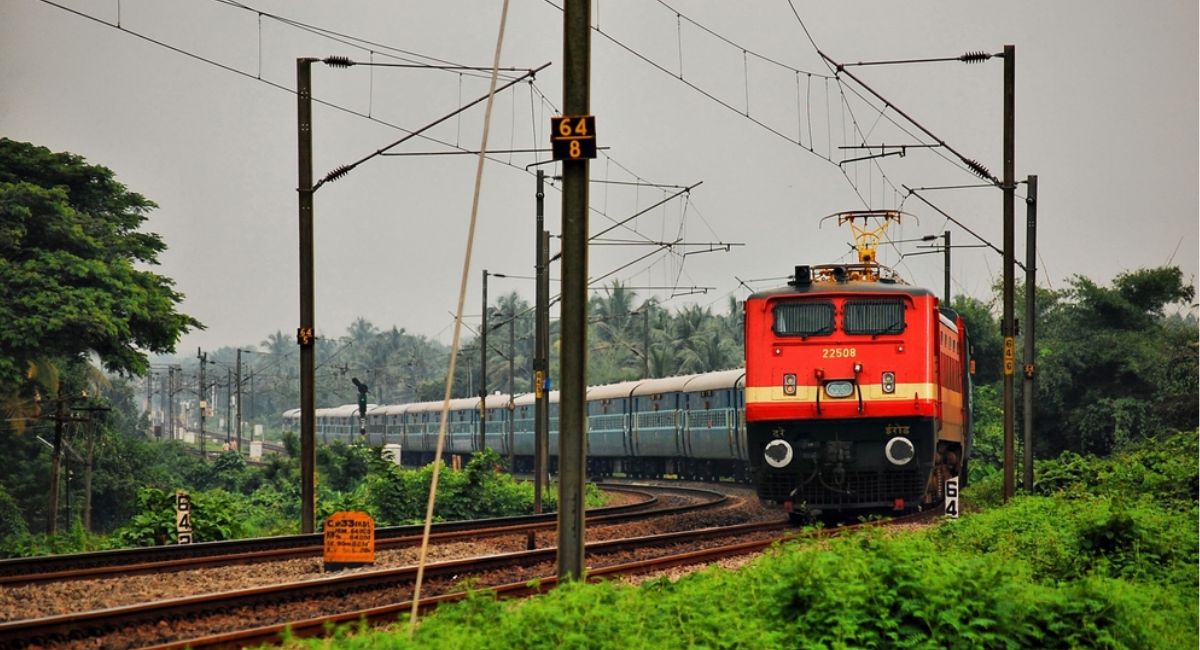
Railway Electrification Structures: Electrification is central to the future of Indian Railways. Moving from diesel to electric trains offers significant environmental benefits and helps improve operational efficiency. The construction of railway electrification structures, including overhead electrification (OHE) and traction substation (TSS) systems, is vital for this transformation. These structures help power trains efficiently, reducing dependency on fossil fuels and lowering greenhouse gas emissions.
Railway Bridges and Components: Bailey bridges and other railway bridge components are essential for connecting diverse terrains and ensuring uninterrupted service. These structures provide a temporary or permanent solution for crossing water bodies, valleys, and difficult geographical conditions, enhancing connectivity and maintaining service continuity in challenging areas.
High-Speed Rail Infrastructure: As India looks to modernize its railways with high-speed rail networks, building advanced infrastructure such as specialized tracks, stations, and signaling systems is crucial. These investments in high-speed rail will not only reduce travel time but also increase the efficiency of the entire rail network, making it a competitive option for both domestic and international travel.
Track Renewal and Expansion: The continuous demand for improved transportation requires regular upgrades to the existing tracks, ensuring they can handle larger volumes of trains and faster speeds. Expansion of tracks in high-demand areas, as well as the development of new lines, are essential for supporting economic growth and improving connectivity.
Integrated Passenger Amenities: Improving the quality of railway stations, terminals, and passenger amenities is crucial for enhancing the travel experience. Modernized stations with better facilities such as waiting rooms, charging stations, restrooms, and Wi-Fi will significantly improve passenger comfort. Additionally, smart stations equipped with real-time information systems, digital ticketing, and safety measures provide passengers with an enhanced travel experience.
The Role of Infrastructure in Safety and Efficiency
A critical aspect of modernizing Indian Railways is improving safety and operational efficiency. This includes the installation of modern signaling systems, advanced track management systems, and better surveillance at stations and on trains. Safety barriers, improved crash protection, and automated systems ensure that both passengers and freight are transported securely, minimizing accidents and disruptions.
Efficient infrastructure also reduces delays, increases train speeds, and enables trains to carry more passengers and cargo, directly improving the overall productivity of the network. Smart scheduling systems and better maintenance infrastructure ensure that the rail network operates smoothly and reliably.
Sustainability in Rail Infrastructure
As part of its modernization goals, Indian Railways is committed to becoming more eco-friendly and sustainable. Green technologies such as solar-powered stations, energy-efficient lighting, and waste management systems are being integrated into infrastructure projects. The push for electric trains, along with the development of solar panel-equipped stations and energy-efficient trains, plays a key role in reducing the carbon footprint of the railway system.
Future of Indian Railways: Innovations on the Horizon
Looking ahead, the future of Indian Railways will see even more advanced infrastructure solutions, such as the introduction of bullet trains, greater use of artificial intelligence in railway operations, and the digitization of ticketing and passenger services. As these technologies evolve, infrastructure solutions will play a pivotal role in enhancing operational capabilities, boosting capacity, and improving overall service delivery.
Conclusion
Infrastructure solutions are critical to the continued success and expansion of the Indian Railways. With growing demands for speed, safety, and sustainability, the need for innovative and efficient infrastructure becomes even more apparent. From railway electrification to modern stations, the infrastructure supporting Indian Railways will play a central role in shaping the future of transportation in India. By embracing modern solutions, the Indian Railways will be equipped to provide better services, connect more people, and drive economic growth across the nation.