

-
By fort_une
-
February 8, 2024
- 0 Comment
The Backbone of Modern Infrastructure: The Importance of Galvanized Structures
In today’s fast-paced world, the need for durable, reliable, and cost-effective materials in infrastructure development is more crucial than ever. Among the many solutions available, galvanized structures stand out as a key component in ensuring the strength and longevity of infrastructure projects across various industries. From power transmission to telecommunications and even railways, galvanized structures have become the backbone of modern infrastructure.
What are Galvanized Structures?
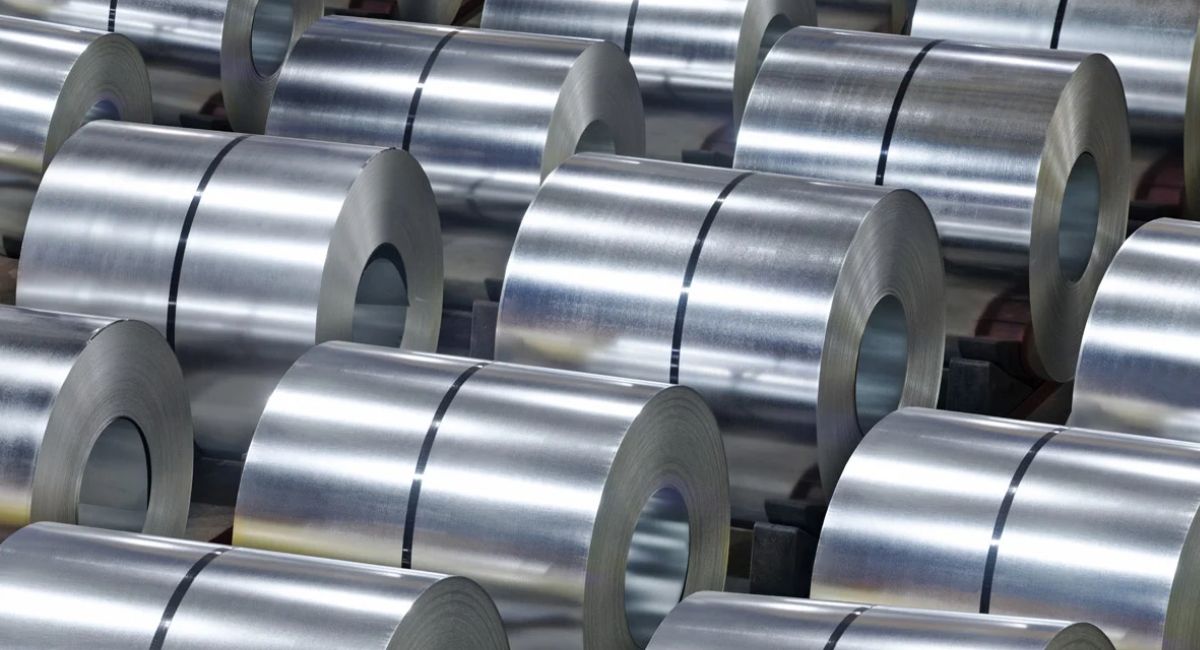
Galvanized structures are made from steel that has been coated with a layer of zinc to prevent rust and corrosion. The process of galvanization involves immersing the steel in molten zinc, creating a protective barrier that shields the material from environmental factors like moisture, chemicals, and salt. This protective layer not only extends the life of the structure but also ensures it remains strong and functional for many years.
The Durability Advantage
One of the main reasons galvanized structures have become so essential in modern infrastructure is their exceptional durability. Steel is inherently strong, but without proper protection, it can quickly corrode, especially when exposed to harsh weather conditions. Galvanization provides a robust protective layer that prevents rust, even in the most challenging environments, making galvanized structures ideal for industries such as power transmission, railways, telecommunications, and solar energy.
For example, transmission towers, telecom towers, and railway electrification structures are constantly exposed to weather conditions like heavy rainfall, high winds, and extreme temperatures. Without the protection of galvanization, these structures would suffer from corrosion and require frequent maintenance. Galvanized structures, however, can last for decades without significant wear, making them a cost-effective solution for industries requiring long-term infrastructure investments.
Versatility Across Multiple Sectors
Galvanized structures are highly versatile and can be used in various applications across multiple sectors:
Transmission Towers and Lines: Galvanized steel is commonly used for power transmission towers and lines, ensuring the transmission of electricity over long distances with minimal maintenance. These towers need to withstand harsh weather and environmental factors, which galvanized steel can endure efficiently.
Telecommunication Towers: Telecom towers need to be reliable and durable, often standing tall in open spaces and exposed to environmental elements. Galvanized structures are the perfect solution, offering both strength and longevity.
Railway Infrastructure: Railway electrification structures and other railway infrastructure components, such as cable trays and crash barriers, rely on galvanized steel to resist corrosion and provide long-term service.
Solar Energy: Solar module mounting structures and solar water pump structures are essential in harnessing renewable energy. Galvanized steel is perfect for these applications, ensuring that the structures can withstand the weight and pressure over time.
Environmental Benefits and Sustainability
In addition to their durability and versatility, galvanized structures also offer significant environmental benefits. Zinc, the material used in galvanization, is a naturally abundant and non-toxic element. The galvanization process itself is environmentally friendly, as it is fully recyclable and minimizes waste. Furthermore, the long lifespan of galvanized structures means less frequent replacements, reducing material waste and contributing to overall sustainability.
Reduced Maintenance Costs
While the initial cost of galvanized steel may be higher than non-galvanized options, the long-term savings are substantial. Galvanized structures require minimal maintenance because the protective zinc coating prevents rust and corrosion. This means fewer repairs and replacements over time, translating into significant cost savings for companies and industries that rely on infrastructure to function smoothly.
Conclusion
In summary, galvanized structures have become a cornerstone of modern infrastructure, providing unparalleled durability, strength, and versatility across a wide range of industries. Their ability to withstand harsh environments while offering long-term cost savings makes them a crucial component in ensuring the reliability and sustainability of infrastructure projects. Whether in power transmission, telecommunications, railways, or renewable energy, galvanized structures are undeniably the backbone of the modern infrastructure we rely on every day.